

Powell River Fall Landscape Tips Featuring Salish Soils
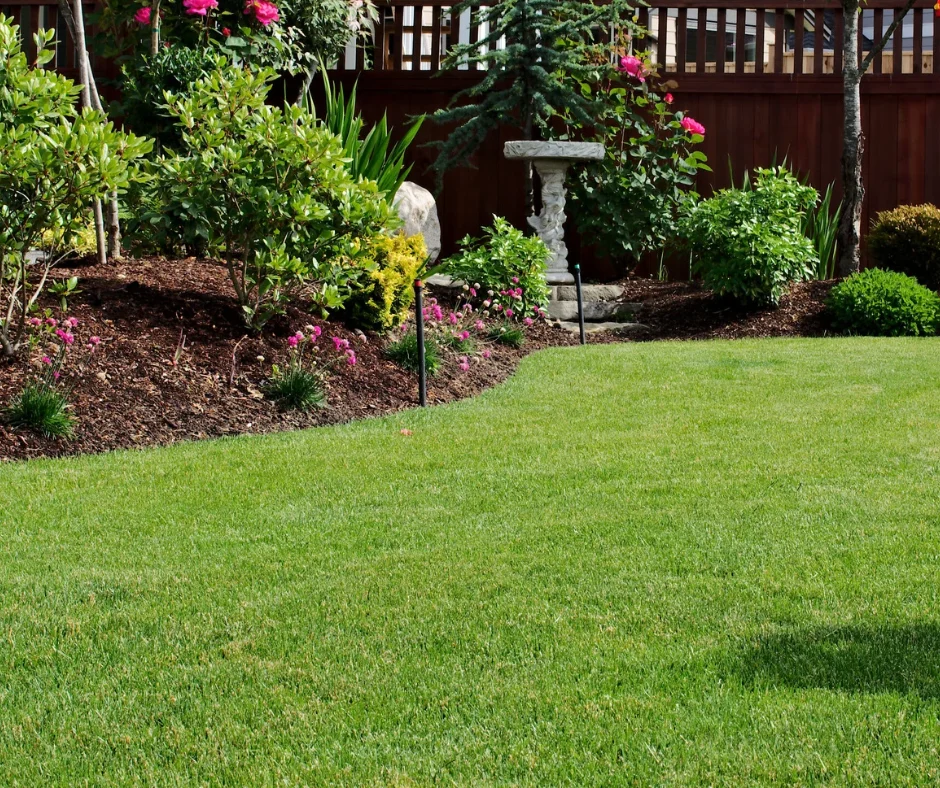
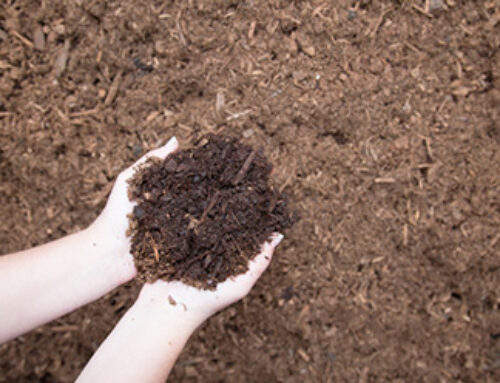
T&R has the popular Salish Landscape mix in stock. A perfect blend of A 50/50 mix of compost and sand—the Salish Soils “Lawn and Turf Soil” (50% recycled food waste, 50% sand)—is primarily designed to give you fast drainage plus a steady nutrient supply, which is especially useful heading into the wet season in Powell River. We also carry 70/30 Garden Mix.
Why use Salish Soils before the rains
New lawns and lawn repair in fall
This mix is especially good for establishing or overseeding turf in spring and fall, with excellent drainage to avoid soggy, anaerobic conditions once heavy rain starts.
Amending heavy or fine soils ahead of winter
Mixing this blend into clay or compacted native soil improves structure so winter rain moves through instead of pooling on the surface.
Top dressing low spots and patching uneven ground
Over time, soils can wash and be blown away. In late fall after harvesting and doing your annuals pruning, you can use it to fill depressions and smooth areas that otherwise become muddy puddles once the rainy season hits.
Salish Soils works well for the rainy season
- The high sand fraction creates large pore spaces so water drains quickly and doesn’t stagnate around roots.
- Compost holds some water and nutrients, feeding plants gradually while the sand prevents the mix from turning into a dense, waterlogged mass.
- You get a loose, well aerated root zone that supports strong root development even when the surrounding native soil is saturated.
How to use Salish Soils Landscape mix coming into the rainy season
- Lawns: For new lawns, spread 4–6 inches or 1–2 inches as a top dress for repair or overseeding. Rake smooth, the seed, and keep moist until established.
- Shrub Beds: Either replace the top 6–8 inches with the 50/50 mix or rototill 3–4 inches into existing soil.
- Levelling out dips: Use as a back-fill or blending layer in low spots.
Salish Soils Checklist for Lawn Projects
Lawn
| Application | Mix Depth | Method | Timing |
|---|---|---|---|
| New lawn installation | 1–2 in of mix | Rototill into soil before seeding/sodding | Early autumn preferred |
| Existing lawn topdressing | ¼–½ in per pass | Spread after mowing + core aeration; rake into aeration holes | September or after first spring mowing — avoid mid-summer |
| Lawn leveling (deeper corrections) | ½ in max per pass | Apply multiple passes 2–4 weeks apart | Never dump a thick layer in one go — smothers turf |
| Overseeding combination | ¼–½ in mix | Spread seed, then top-dress, or top-dress then seed | Keep seedbed evenly moist |
Tip: Lawn topdressing volume: ~¾ cubic yard per 1,000 sq ft achieves a ½-inch layer. Screen compost through ¼-inch mesh hardware cloth before blending with sand.
A 50/50 compost-to-sand blend provides more organic matter than the typical 70/30 sand-to-compost mix.
- Lawns: Ideal for filling aeration holes and lawn renovation where adding organic matter is the priority.
- Levelling: Use a higher sand ratio, such as 70/30 sand-to-compost, for filling low spots. Sand provides more lasting stability as compost breaks down and settles.
- Garden beds: The 70/30 mix is ideal. Compost improves nutrients and water retention, while sand helps with drainage and reduces compaction.
Erosion Control Pre-Winter Checklist
[ ] All bare soil covered with mulch (2–4 inches) or cover crops [ ] Slopes roughened or blanketed before seeding [ ] Downspouts directed to rain barrels, swales, or rain gardens [ ] Rain garden overflow outlets directed to safe discharge points [ ] Disturbed/graded areas seeded or sodded [ ] No fall tillage on erosion-prone areas [ ] Cover crops planted as early as possible after bed clearing [ ] Pathways and hardscaping use permeable materials where possibleFall is the perfect time to prepare your landscape for a healthier, more beautiful spring and summer. The Salish Soils versatile 50/50 mix can help improve drainage and manage moisture, support healthier soil and plants, and create stronger, lower-maintenance lawns.
Get your landscape ready for spring. Contact us or stop by to pick up your 50/50 mix today.
Resources for landscape tips using Salish Soils
T&R Contracting: Protecting your property with proper drainage
Government of Canada — Property Grading
Oregon State University Extension — How to Use Compost in Gardens and Landscapes
Cornell Cooperative Extension — Compost Uses
University of Nebraska-Lincoln Extension — Uses of Compost in the Landscape
Iowa State University Extension — Testing and Improving Soil Drainage
Fairfax County Soil & Water Conservation District — Control Heavy Runoff
South Dakota State University Extension — Soil Erosion Mitigation During Heavy Rainfall Events
Allen Landscaping Services — How to Fix Water Pooling in Your Backyard
Turfdial — Sand vs. Compost vs. Soil Blend: Choosing Topdressing Material