

Why Summer is the Perfect Time to Top Up your Garden Mulch
Keeping Your Plants Healthy Through Powell River’s Dry Months
If you’re gardening in Powell River, you’ve probably already felt the dry heat—and the reality of water restrictions. With longer stretches of drought becoming the norm, topping up your garden mulch in mid-summer isn’t just a “nice-to-do.” It can make the difference between plants that survive the season and ones that thrive into next year.
Let’s break down why now’s the time to refresh your mulch—and how to choose the right one.
💧Water retention is everything right now
Mulch acts like a natural shield. A fresh layer helps lock in moisture by slowing down evaporation and keeping the soil cooler underneath. When the sun is beating down and sprinklers are limited, mulch ensures that the water you do use actually stays put—so you don’t have to water as often.
🌿 Healthy soil = healthy plants
Mulch does more than save water. As it slowly breaks down, it adds organic matter back into your soil. This feeds beneficial microbes, earthworms, and fungi—essential for creating a strong, living foundation that your plants can thrive in.
So whether you’re using bark mulch, composted mulch, or straw, topping it up in summer supports long-term plant health, even in stressful heat.
🍅 Support your trees, shrubs & veggies
Young trees, perennials, and vegetable crops all benefit from the consistent moisture and protection mulch provides. It helps keep the soil temperature stable (especially important during hot days) and reduces plant stress that can lead to pest issues or poor growth.
For your veggie garden, mulch keeps weeds at bay, reduces water competition, and gives crops like tomatoes, zucchini, and squash the healthy conditions they need to keep producing.
🌾 Weed control without the backache
Let’s be honest—no one enjoys weeding, especially in the heat. And yet somehow weeds still push through in dry conditions. Once you’ve cleared an area, a layer of mulch is one of the easiest ways to suppress weed growth while giving your plants room to grow.
🌻 You’re also prepping for next season
Mulch isn’t just for spring—it’s a smart move in summer too. Topping it up now sets your garden up for fall planting and next year’s growing season. It reduces erosion, builds soil structure, and helps keep soil life active for longer. So you’re not just protecting this year’s garden—you’re investing in next season’s success.
How to choose the right bark mulch from T&R Contracting
At T&R, we offer several mulch options to suit your garden goals:
1. Fir/Hemlock Bark Mulch
Perfect for: Flower beds, landscaping, around trees and shrubs
Why it works: Slow to break down, great moisture retention, and weed suppression
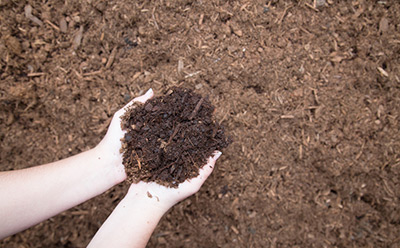
Look & feel: Fine-to-medium reddish-brown bark
Bonus: Slightly acidic—perfect for rhodos, blueberries, and azaleas
2. Composted Mulch or Mulch Blend
Perfect for: Veggie gardens and soil improvement
Why it works: Breaks down faster, adds nutrients, supports soil biology
Texture: Softer, darker, often mixed with organic compost
3. Salish Seas Compost (premium organic option)
Perfect for: Gardeners looking for high-quality, fully composted mulch
Why it works: Locally made, nutrient-rich, and great for building long-term soil health
Use for: Veggie beds, raised planters, or as a soil amendment under other mulch
📏 How much mulch do you need? Here’s the easy math
✅ Step 1: Measure Your Garden Area
Length (ft) × Width (ft) = Total square footage
Example: 20 ft × 10 ft = 200 sq ft
✅ Step 2: Choose Your Depth
2” = light top-up
3” = standard depth for moisture and weed control
4” = best for hot, dry spots or first-time applications
✅ Step 3: Plug it Into This Formula
Square footage × depth in inches ÷ 324 = cubic yards needed
So for 200 sq ft at 3 inches deep:
(200 × 3) ÷ 324 = 1.85 cubic yards
🚛 Pickup or delivery? We’ve got you covered
T&R Contracting delivers bulk mulch in 1-yard increments, or you can pick up directly from our yard at 4240 Padgett Road. If you’re unsure how much you need, we’re happy to help you calculate it.
🌱 Final tips for summer mulch success
Don’t pile mulch directly against plant stems or tree trunks—leave a bit of breathing room.
Combine mulch with drip irrigation or soaker hoses to maximize water savings.
Top up mulch again in fall to keep your soil in top shape for the rainy season.
For veggie gardens, choose a composted mulch that adds nutrients while protecting roots.
Ready to mulch smarter this summer? Swing by the yard or give us a call—we’ll help you pick the best mulch for your space and make sure your garden is set up to beat the heat, grow strong, and thrive into next season.
🌼 More resources:
Powell River Garden Club: Seasonal tips, planting calendars, and soil advice
Mother Nature Garden Centre: Local gardening checklists and maintenance support
T&R Contracting Mulch Guide: Learn more about the benefits of bark mulch
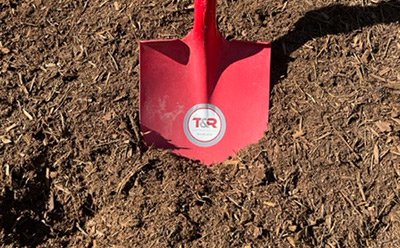
Fir Mulch
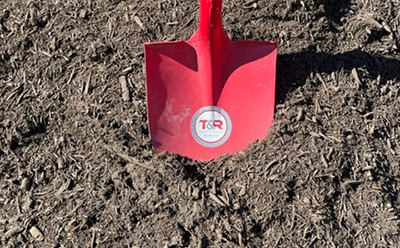
Aged bark mulch
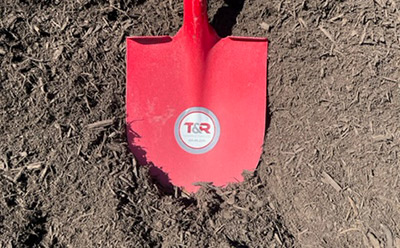
Salish Compost